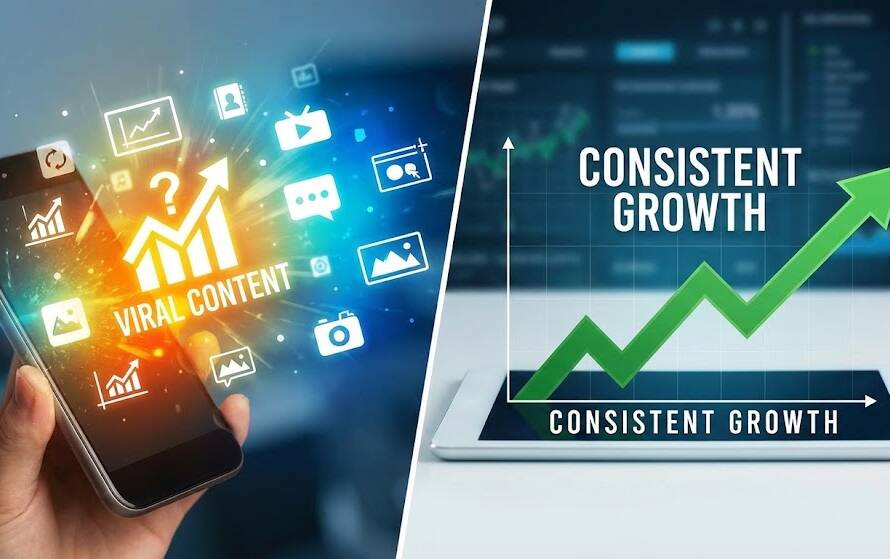
Quickspace Marketing Management L.L.C recognizes that the digital marketing landscape has evolved dramatically over the past decade. Consumers no longer interact with brands through a single touchpoint. Instead, they move fluidly across websites, social media platforms, search engines, email, mobile apps, and offline channels. In this environment, multi-channel digital marketing has become a foundational strategy for brands seeking relevance, consistency, and sustainable growth.

Today’s businesses must rethink how digital marketing strategies are designed, executed, and measured. This article explores how digital marketing strategies are changing in a multi-channel world and what organizations must do to stay competitive.
The Rise of the Multi-Channel Consumer
Modern consumers decide when, where, and how they interact with brands. A single purchase journey may include:
- Discovering a brand on social media
- Researching products through search engines
- Reading reviews on third-party platforms
- Receiving promotional emails
- Completing purchases on mobile or desktop
This fragmented journey makes multi-channel digital marketing essential. Brands can no longer rely on a single platform or campaign to drive results.
Attention Is Distributed Across Channels
No single channel dominates attention anymore. Social platforms compete with search, video, messaging apps, and marketplaces. As a result, digital marketing strategies must be designed to operate across multiple channels while maintaining a unified brand experience.
As brands navigate increasingly complex customer journeys, having a clear strategic foundation becomes critical. This is why understanding why having a digital strategy matters more than ever for growing brands is essential for turning multi-channel execution into long-term business growth.
What Multi-Channel Digital Marketing Really Means
Beyond Being “Everywhere”
Multi-channel digital marketing is not about being present on as many platforms as possible. It is about:
- Selecting the right mix of channels
- Defining the role each channel plays
- Ensuring consistent messaging and positioning
Each channel serves a distinct purpose within the broader strategy, from awareness and engagement to conversion and retention.
Channel Integration vs. Channel Silos
One of the biggest changes in modern digital marketing is the move away from siloed campaigns. Previously, social media, email, paid ads, and content marketing often operated independently. Today, effective multi-channel strategies integrate data, messaging, and performance insights across channels.
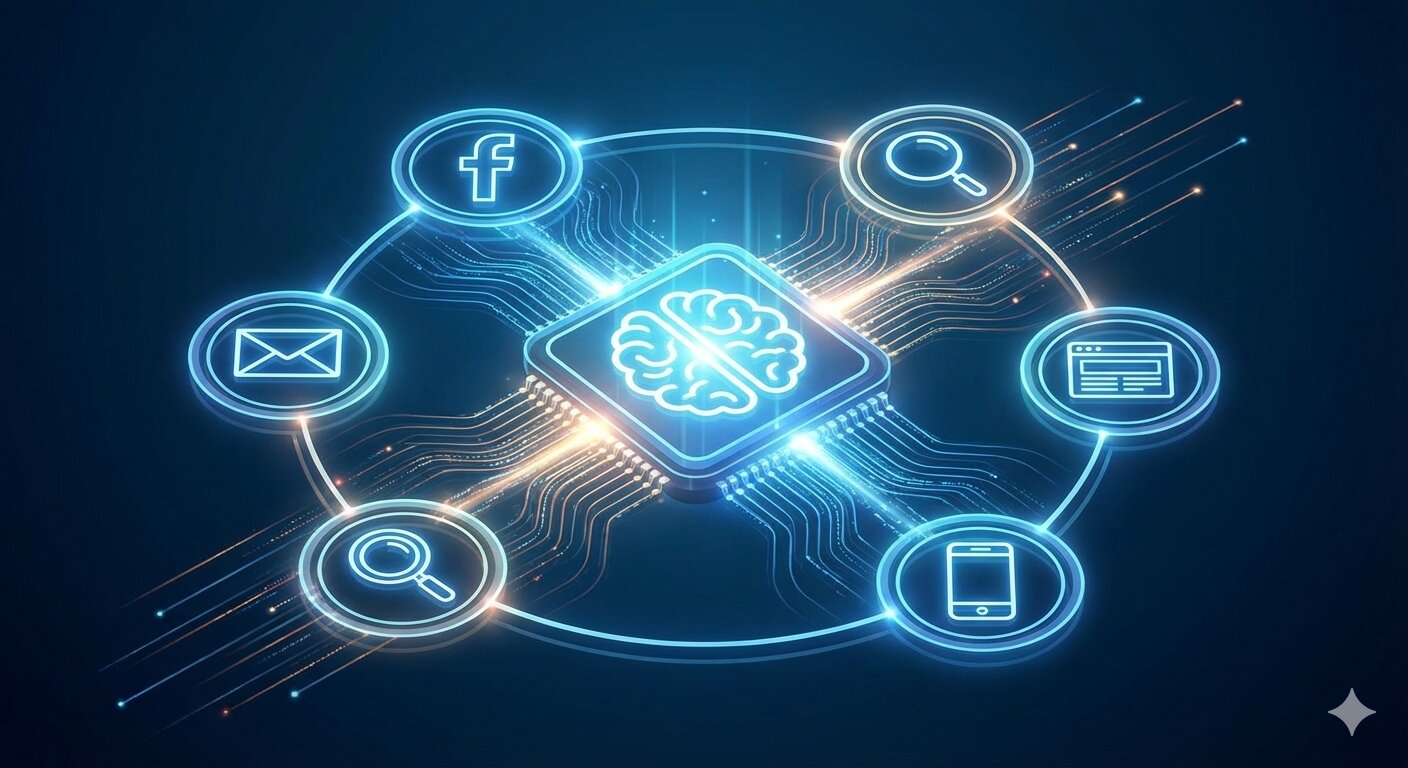
This integrated approach is a core focus for consulting-driven agencies such as Quickspace Marketing Management L.L.C, where strategy alignment across channels is prioritized over isolated execution.
How Digital Marketing Strategies Are Evolving
Strategy First, Channels Second
In a multi-channel world, strategy must come before execution. Leading organizations begin by defining:
- Business objectives
- Target audiences
- Customer journeys
- Success metrics
Only then do they determine which channels support each stage of the journey. This shift reflects how forward-looking organizations are redesigning their approach, as outlined in what a modern digital marketing strategy looks like in 2026. This shift ensures that channels serve strategy—not the other way around.

Content Designed for Cross-Channel Adaptation
Content strategies are also changing. Instead of creating content for a single platform, brands now develop core content assets that can be adapted across channels.
The Role of Data in Multi-Channel Digital Marketing
Unified Data Over Fragmented Metrics
Traditional digital marketing often relied on channel-specific metrics. In a multi-channel environment, this approach is no longer sufficient. Brands need unified performance views that show how channels work together rather than in isolation.

Data-Driven Optimization Across Channels
With better data integration, optimization becomes more strategic. Decisions are based on how channels influence each other, not just on standalone performance.
Common Challenges in a Multi-Channel World
- Inconsistent brand messaging
- Overextension without focus
- Difficulty measuring cross-channel impact
These challenges highlight why strategic oversight is critical in multi-channel environments.
Best Practices for Multi-Channel Digital Marketing Success
- Design strategies around the customer journey
- Align technology, data, and execution
- Work with partners that lead with strategy, not tactics
Agencies that operate at this level help brands move from fragmented execution to sustainable performance.
The Future of Digital Marketing Is Multi-Channel by Design

Multi-channel digital marketing is no longer optional—it is the standard operating model for modern brands. Organizations that succeed are those that integrate strategy, channels, data, and execution into a cohesive system.
By embracing multi-channel digital marketing as a unified approach and partnering with experienced strategists like Quickspace Marketing Management L.L.C, businesses can adapt to changing consumer behavior, improve performance across channels, and build long-term competitive advantage in an increasingly complex digital world.