In the age of social media and short-form platforms, viral content often appears to be the ultimate goal. A single post reaching millions of people can feel like instant success. However, for most brands, viral moments are unpredictable, short-lived, and difficult to repeat. In contrast, a consistent content strategy delivers sustainable growth, stronger brand trust, and long-term business impact.
Marketing leaders—including strategists working with Quickspace Marketing Management L.L.C—increasingly recognize that consistency, not virality, is what builds authority, loyalty, and measurable results over time.

The Illusion of Viral Success
Viral Content Is Unpredictable by Nature
Viral content depends on timing, algorithms, cultural moments, and audience behavior that brands cannot fully control. Even well-resourced teams struggle to engineer virality consistently.
While viral content may generate spikes in visibility, it rarely guarantees:
- Long-term audience retention
- Brand recall beyond the moment
- Alignment with business goals
As a result, brands that chase virality often experience inconsistent performance.
Short-Term Attention Does Not Equal Long-Term Value
Viral posts tend to attract broad audiences with varying levels of relevance. Many viewers engage briefly and move on without forming a meaningful relationship with the brand.
Without follow-up content or a clear narrative, viral exposure fades quickly.
What a Consistent Content Strategy Really Means
Consistency Goes Beyond Posting Frequency
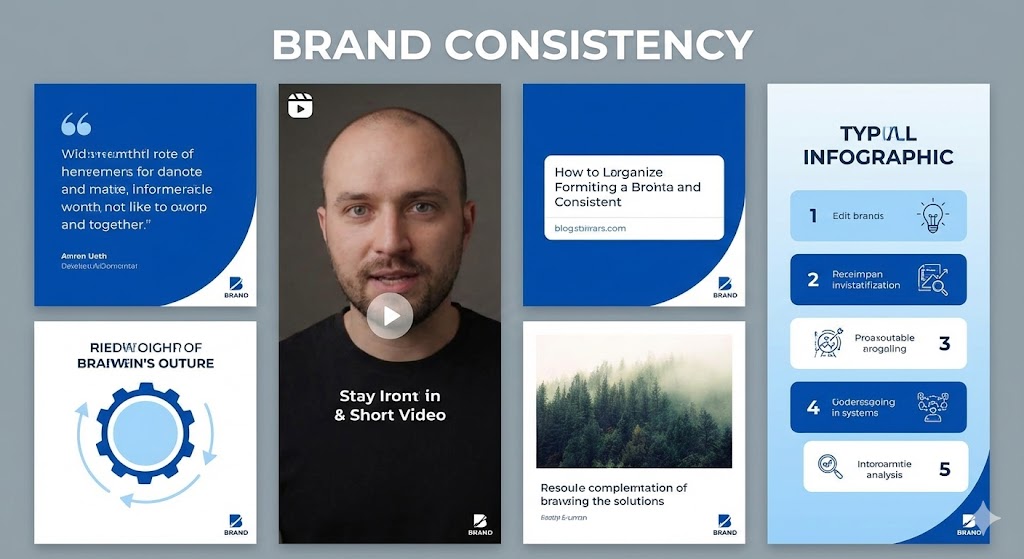
A consistent content strategy is not just about publishing regularly. It is about maintaining alignment across:
- Messaging and brand voice
- Content themes and topics
- Visual identity and tone
- Value delivered to the audience
Consistency creates familiarity, and familiarity builds trust.
Building Recognition Through Repetition
Audiences rarely convert after a single interaction. Repeated exposure to clear, aligned messaging helps brands stay top-of-mind and reinforces credibility.
Over time, consistency shapes how audiences perceive expertise, reliability, and professionalism.

Why Consistent Content Builds Stronger Brand Trust
Trust Is Earned Through Reliability
Trust grows when audiences know what to expect from a brand. Consistent content signals stability and intentionality, while erratic posting or messaging creates uncertainty.
Brands that maintain a consistent content strategy demonstrate:
- Commitment to their audience
- Confidence in their positioning
- Long-term thinking rather than short-term hype
Authority Develops Over Time, Not Overnight
Thought leadership is built through repeated insights, not one viral hit. Brands that publish consistent, high-quality content around a focused set of topics gradually become trusted voices in their space.
This authority compounds with time, strengthening brand equity and influence.

Consistent Content Strategy and Business Outcomes
Supporting the Entire Customer Journey
Unlike viral content, which often focuses on awareness alone, a consistent content strategy supports every stage of the customer journey:
- Awareness through educational content
- Consideration through deeper insights
- Decision-making through proof and clarity
- Retention through ongoing value
This continuity improves conversion quality and customer lifetime value.
Alignment With Brand and Marketing Strategy
Consistency ensures that content reinforces broader business objectives rather than distracting from them. When content themes align with brand positioning and goals, every piece contributes to a larger narrative.
This approach reflects how brands balance content vs. campaign for long-term and short-term impact within a unified marketing strategy. This strategic alignment is what turns content into a business asset rather than a cost.
The Role of Algorithms and Platforms
Platforms Reward Consistency
Most digital platforms prioritize accounts that publish consistently and maintain stable engagement patterns. Algorithms favor predictable behavior over sporadic spikes.
A consistent content strategy helps brands:
- Maintain steady visibility
- Improve organic reach over time
- Reduce dependence on paid amplification
Viral Content Often Breaks the Pattern
Viral posts can temporarily distort performance data, making it harder to understand what truly resonates with core audiences. Consistency provides clearer insights into what drives sustainable engagement.
Common Mistakes Brands Make
Chasing Trends at the Expense of Identity
Brands that constantly pivot to follow trends risk losing a clear voice and message. While trends can be incorporated, they should never replace core content pillars.
Inconsistent Publishing and Messaging
Gaps in publishing or abrupt shifts in tone weaken audience connection. Consistency requires planning, governance, and realistic expectations.
Measuring Success Only by Reach
Reach alone does not reflect impact. Brands should evaluate content performance through metrics such as engagement quality, repeat interactions, and conversion influence.
How Brands Can Build a Consistent Content Strategy
Define Clear Content Pillars
Content pillars provide structure and focus. They help teams decide what to publish—and what not to publish.
Effective pillars are aligned with:
- Audience needs
- Brand expertise
- Business objectives
Plan for Sustainability, Not Virality
A realistic content calendar that teams can maintain consistently will outperform ambitious plans that collapse after a few weeks.
Prioritize Value Over Noise
Every piece of content should answer a question, solve a problem, or provide insight. Consistency without value still fails.
Consistent Content Strategy as a Competitive Advantage

In a crowded digital landscape, consistency cuts through noise more effectively than occasional virality. While viral content may bring momentary attention, a consistent content strategy builds trust, authority, and lasting relationships with audiences.
Brands that commit to consistency position themselves for sustainable growth, clearer brand identity, and stronger long-term performance. In the end, content success is not about being everywhere for one moment—it is about being relevant, reliable, and valuable over time.