In today’s always-connected digital environment, social media is no longer just a channel for promotion—it is one of the most visible and influential spaces where brand trust is built or broken. Consumers now evaluate brands not only by what they sell, but by how they communicate, respond, and behave on social platforms. This shift has elevated the importance of having a clear and intentional social media strategy.

This shift has elevated the importance of having a clear and intentional social media strategy. This evolution mirrors how content marketing is evolving with changing consumer behavior across digital touchpoints.
Marketing teams working with organizations such as Quickspace Marketing Management L.L.C consistently observe that brands with strong trust equity approach social media strategically, not tactically. They focus on long-term credibility, consistency, and audience relationships rather than short-term engagement spikes.
Why Brand Trust Matters More Than Ever on Social Media
Social Platforms as Trust Signals
Social media profiles often serve as the first point of contact between a brand and its audience. Before making purchasing decisions, consumers check how brands present themselves, how active they are, and how they interact with followers.
A thoughtful social media strategy helps brands signal:
- Transparency and authenticity
- Reliability and consistency
- Responsiveness and accountability
Without strategy, social channels quickly become fragmented and untrustworthy.
Consumers Expect Dialogue, Not Broadcasting
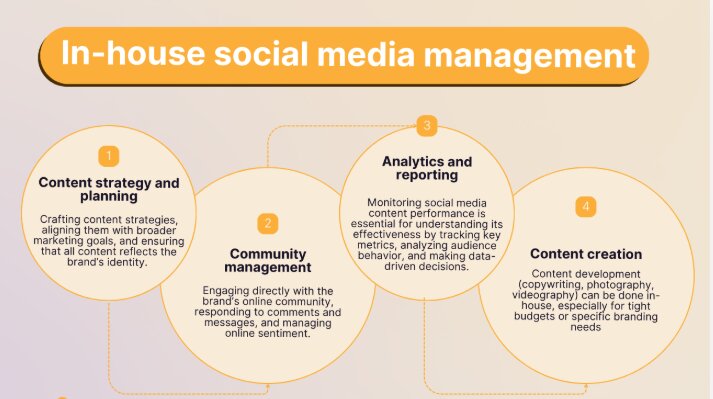
Unlike traditional media, social platforms are built for two-way interaction. Brands that treat social media as a one-directional advertising channel often struggle to build trust.
Trust grows when brands:
- Respond to questions and feedback
- Acknowledge concerns publicly
- Participate in conversations, not just campaigns
These behaviors must be planned and governed through strategy, not left to chance.
What a Strategic Social Media Presence Looks Like
Consistency Across Content and Tone
One of the core functions of a social media strategy is ensuring consistency. Inconsistent tone, messaging, or values across platforms can confuse audiences and erode trust.
Strategic brands define:
- Brand voice and personality
- Content themes aligned with values
- Guidelines for engagement and moderation
This consistency reinforces credibility over time.This consistency reinforces credibility over time. It also explains why consistent content matters more than viral content when the goal is to build lasting brand trust.
Purpose-Driven Content Over Promotional Noise
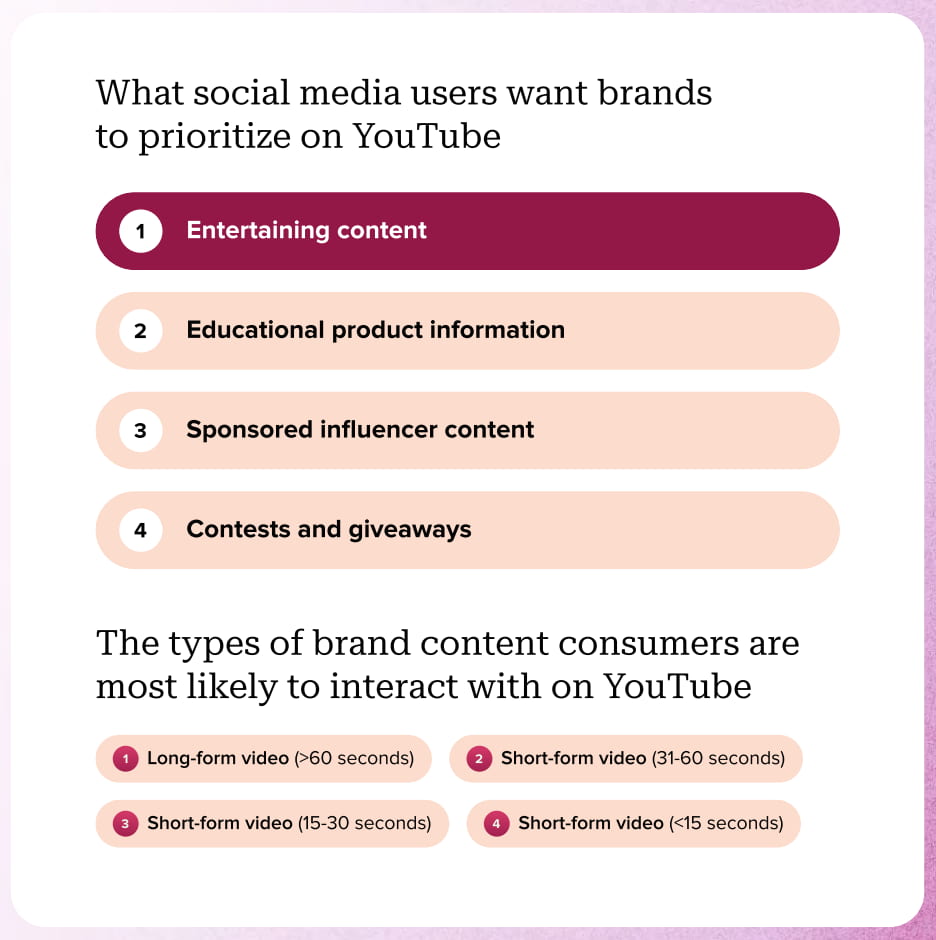
Trust-focused brands prioritize value-driven content over constant promotion. Educational posts, behind-the-scenes insights, thought leadership, and community stories tend to outperform purely sales-oriented messaging in terms of trust and loyalty.
This approach reflects a broader shift in how brands use social media—to build relationships first and conversions second.
The Role of Transparency and Authenticity
Honest Communication Builds Credibility
Audiences are quick to detect overly polished or misleading content. Brands that acknowledge challenges, share real experiences, and communicate honestly are more likely to earn trust.
A strong social media strategy defines how brands:
- Address mistakes or criticism
- Communicate changes or updates
- Balance professionalism with authenticity
Transparency is not a tactic—it is a strategic commitment.
User-Generated Content and Social Proof
Featuring real customers, partners, or employees adds credibility that branded content alone cannot achieve. User-generated content acts as social proof, reinforcing trust through peer validation.
Brands that integrate UGC strategically create more authentic and trustworthy social narratives.
Engagement as a Trust-Building Mechanism
Responsiveness Signals Reliability
How quickly and thoughtfully a brand responds on social media directly impacts trust. Ignoring comments or responding inconsistently sends negative signals.
A defined social media strategy establishes:
- Response time standards
- Escalation procedures
- Tone for handling sensitive issues
These operational details matter as much as content itself.
Community Management Over Follower Counts
Trust is built within communities, not through vanity metrics. Brands that focus on meaningful engagement—comments, conversations, and shared values—develop stronger loyalty than those chasing follower growth alone.
Data, Measurement, and Trust Signals
Measuring More Than Engagement
Likes and shares do not fully reflect trust. Strategic social media teams look at indicators such as:
- Repeat engagement
- Sentiment analysis
- Community growth quality
- Direct messages and conversations
These metrics provide deeper insight into trust development.
Aligning Social Media with Broader Brand Strategy
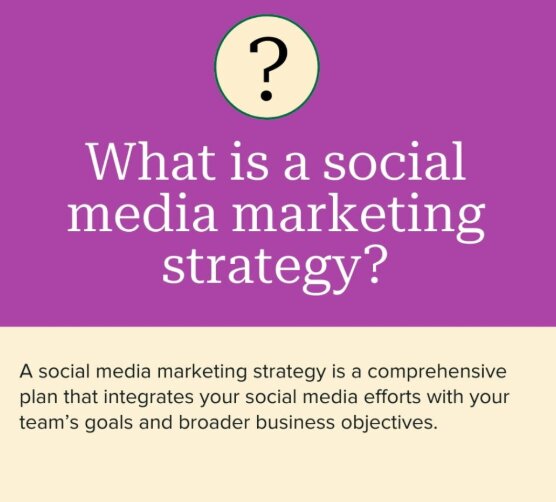
Social media strategy should not operate in isolation. When aligned with content marketing, customer experience, and brand positioning, social channels reinforce trust across the entire customer journey.
This integrated approach is often emphasized by Quickspace Marketing Management L.L.C when helping brands align social media efforts with long-term brand goals.
Common Mistakes That Undermine Brand Trust
Inconsistent Messaging Across Platforms
Posting different messages on different platforms without alignment weakens brand credibility. Strategy ensures coherence, even when content is adapted per channel.
Over-Automation Without Human Oversight
Automation improves efficiency, but excessive automation can make brands feel distant or unresponsive. Trust requires human presence, especially in conversations.
Ignoring Negative Feedback
Deleting or ignoring criticism often backfires. Strategic brands respond constructively, demonstrating accountability and respect for their audience.
How Brands Can Strengthen Trust Through Social Media Strategy
Start With Clear Trust Objectives
Brands should define what trust means in their context—whether it is credibility, transparency, reliability, or expertise—and design their social media strategy accordingly.
Document Guidelines and Governance
Clear guidelines for content, engagement, and crisis response reduce inconsistency and risk.
Invest in Strategy Before Scaling Execution
Posting more frequently does not equal stronger trust. Brands that invest in strategy before execution build a more sustainable and credible presence.
Social Media Strategy as a Long-Term Trust Asset
In a digital landscape where trust is fragile and attention is scarce, social media plays a central role in shaping brand perception. A well-designed social media strategy transforms platforms from promotional tools into trust-building assets.
Brands that approach social media with intention, consistency, and audience empathy are better positioned to earn loyalty and credibility over time. By aligning social media strategy with brand values and long-term objectives—and working with experienced partners such as Quickspace Marketing Management L.L.C—organizations can turn everyday interactions into lasting trust.