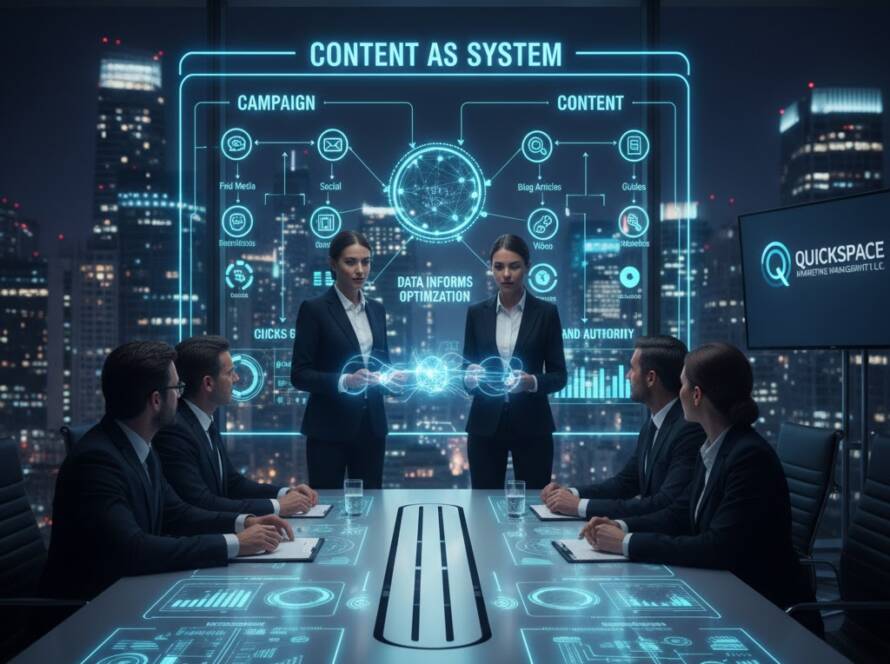
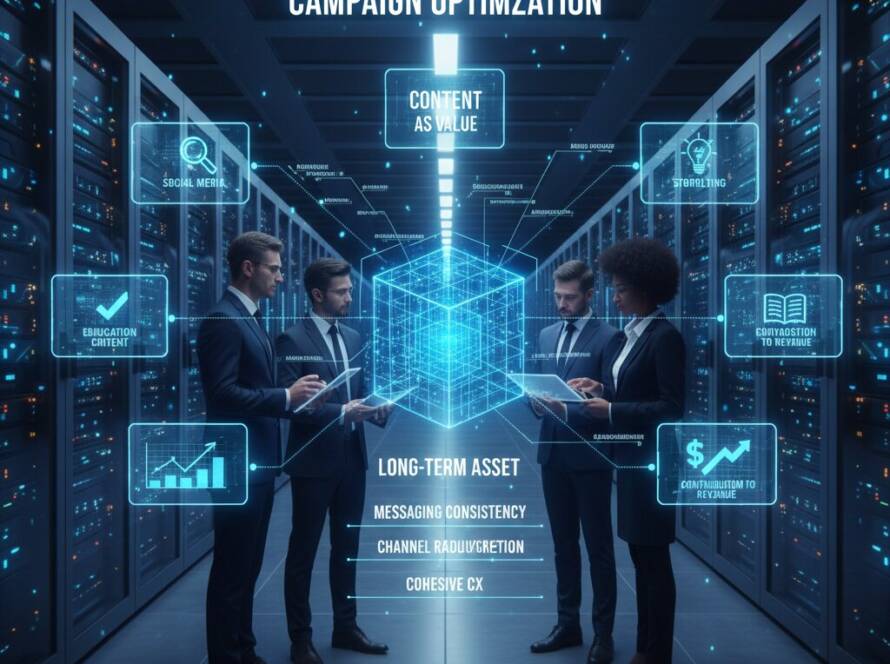
As we move closer to 2026, digital marketing is no longer defined by individual channels or isolated campaigns. Instead, it is shaped by integrated systems, data-driven decision-making, and customer-centric design. According to industry observers and consulting agencies such as Quickspace Marketing Management L.L.C, businesses that succeed in the coming years are those that rethink their approach and adopt a truly modern digital marketing strategy aligned with technology, data, and long-term business goals.
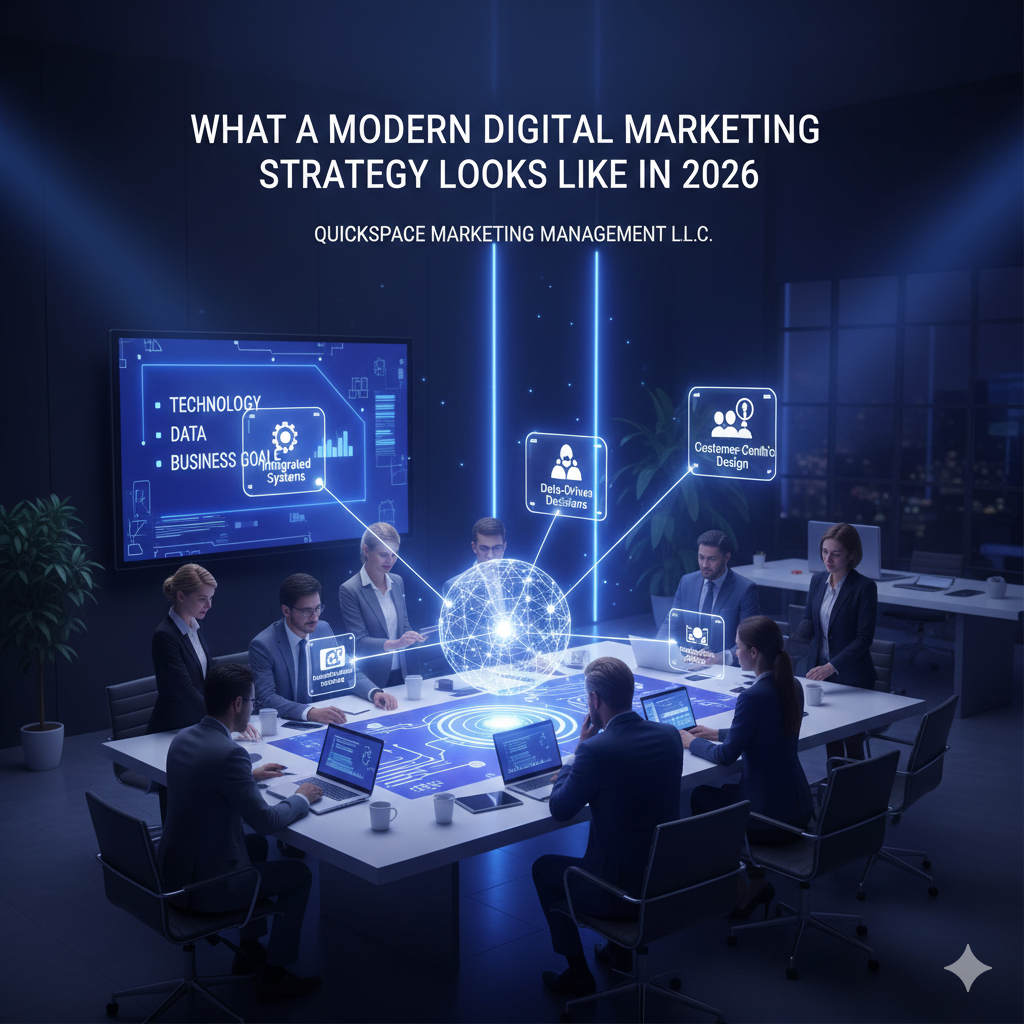
This article explores what a modern digital marketing strategy looks like in 2026 and how organizations can prepare for the next phase of digital evolution.
The Evolution of Digital Marketing Strategy
From Tactics to Strategic Systems
In the past, digital marketing strategies often focused on tactics—running ads, posting on social media, or optimizing SEO independently. By 2026, this approach is no longer effective. A modern digital marketing strategy functions as a connected system where channels, data, and technology work together to support business objectives.
Marketing is increasingly embedded into overall business strategy rather than operating as a standalone function.
Strategy Built Around the Customer Journey
Modern strategies begin with a deep understanding of the customer journey. Rather than asking “Which channels should we use?”, organizations ask:
- How do customers discover, evaluate, and engage with our brand?
- What information do they need at each stage?
- How can we deliver consistent value across touchpoints?
This shift ensures that marketing efforts align with real customer behavior rather than internal assumptions.
Core Elements of a Modern Digital Marketing Strategy
Integrated Multi-Channel Execution
A modern digital marketing strategy in 2026 is inherently multi-channel. This shift reflects a broader transformation in how brands design and execute marketing across platforms, as explored in how digital marketing strategies are changing in a multi-channel world.Search, social media, content, email, video, and paid media are no longer managed separately. Instead, they operate as part of a unified ecosystem.
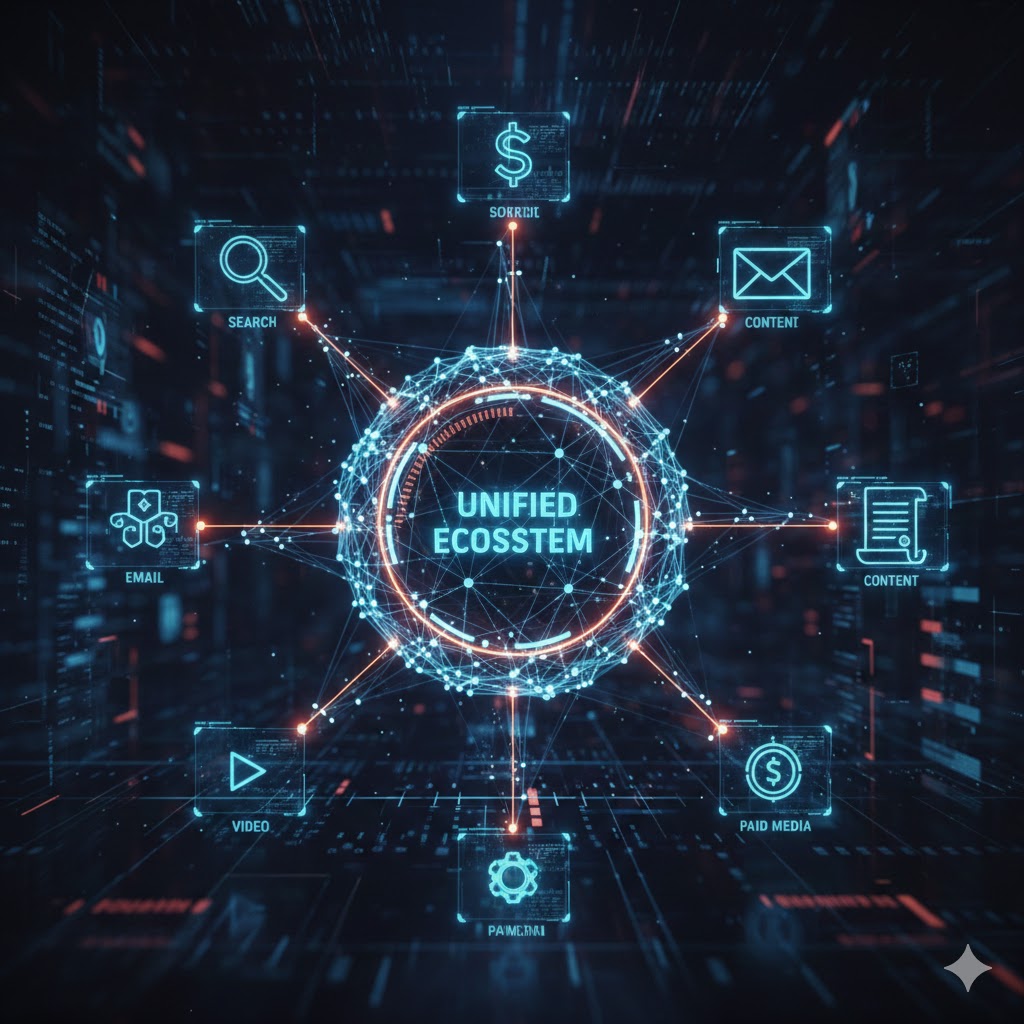
Each channel has a clear role:
- Awareness and discovery
- Engagement and education
- Conversion and retention
Integration ensures consistent messaging and more efficient use of resources.
Content as a Strategic Asset
Content is no longer created for short-term visibility alone. In a modern strategy, content serves as a long-term asset that supports brand authority, trust, and customer relationships.
High-performing organizations design content that can be adapted across platforms, formats, and campaigns while maintaining a consistent narrative.
Data-Driven Decision Making in 2026
From Metrics to Meaningful Insights
By 2026, data volume is no longer the challenge—interpretation is. A modern digital marketing strategy focuses on metrics that reflect real business impact rather than vanity indicators.
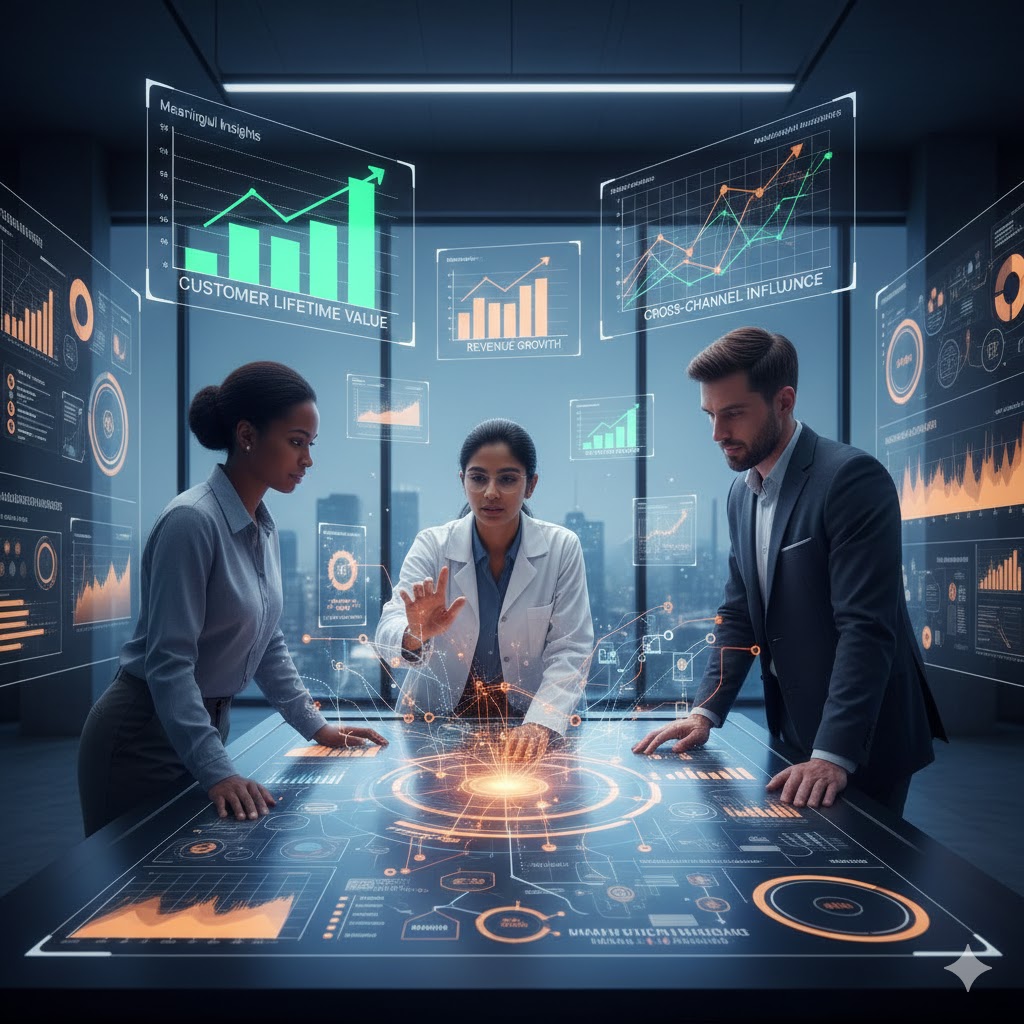
Key priorities include:
- Understanding cross-channel influence
- Measuring customer lifetime value
- Linking marketing activity to revenue and growth
This approach allows leaders to make informed strategic decisions rather than reactive adjustments.
Predictive and AI-Supported Analytics
Advanced analytics and AI-driven tools play a growing role in modern strategies. These technologies help forecast trends, personalize experiences, and optimize performance in real time.
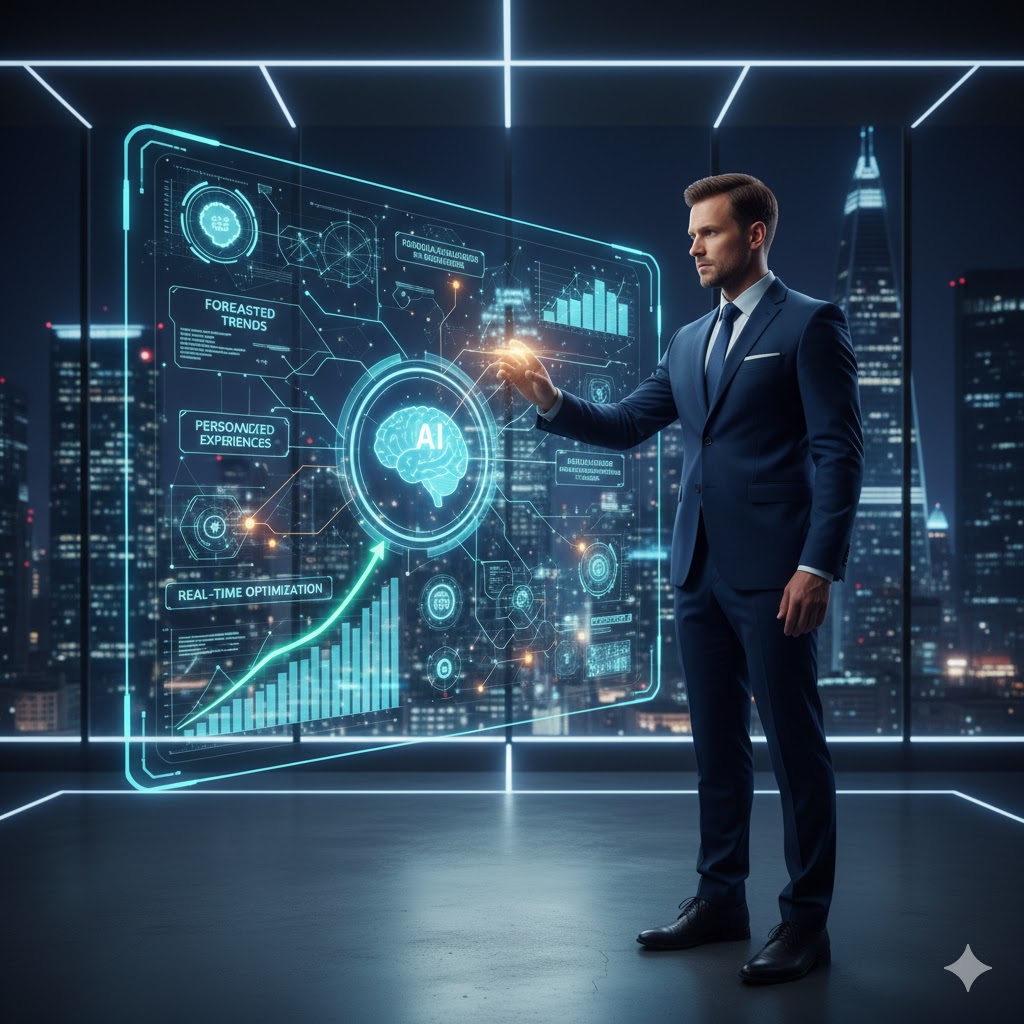
However, technology supports strategy—it does not replace it. Human judgment remains critical in interpreting insights and guiding direction.
Technology as the Backbone of Modern Strategy
Marketing Technology Integration
A modern digital marketing strategy relies on an integrated technology stack. CRM systems, analytics platforms, automation tools, and content management systems must work together seamlessly.
Disjointed tools create data silos and limit visibility. Integration enables better coordination, reporting, and optimization across the organization.
Automation with Strategic Oversight
Automation is widely used by 2026, but successful strategies apply it selectively. Automation handles repetitive tasks, while strategic planning, creativity, and decision-making remain human-led.
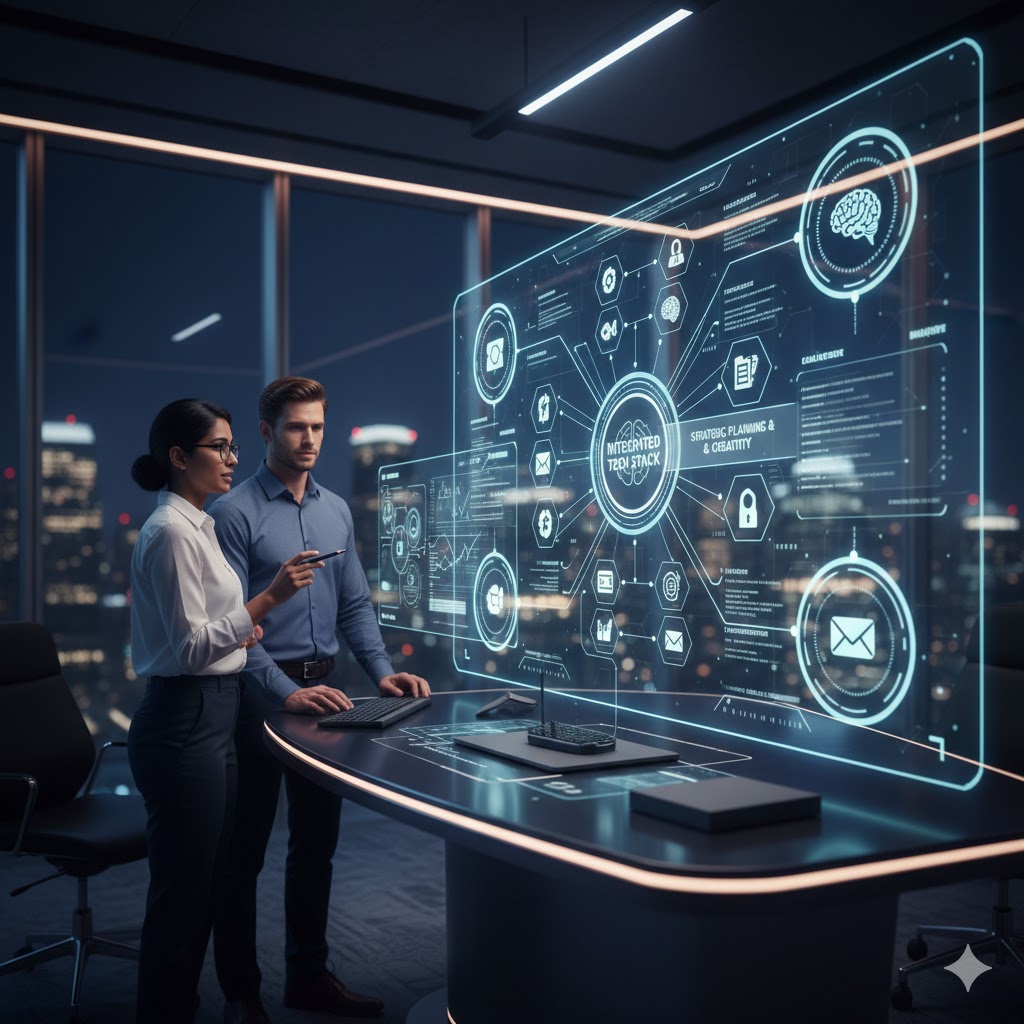
This balance ensures efficiency without sacrificing authenticity or relevance.
Organizational Shifts Supporting Modern Marketing
Collaboration Across Teams
Marketing teams no longer operate in isolation. A modern digital marketing strategy requires close collaboration between marketing, sales, product, and leadership teams.
Shared objectives, unified data, and transparent communication improve alignment and execution.
Skills and Capabilities for the Future
The skill set required for modern marketing continues to evolve. Strategic thinking, data literacy, and cross-channel understanding are increasingly important alongside creative and technical skills.
Organizations must invest in continuous learning to remain competitive.
Common Pitfalls to Avoid
Chasing Trends Without Strategy
Not every new platform or technology aligns with business goals. A modern digital marketing strategy prioritizes relevance and impact over trend adoption.
Over-Reliance on Tools
Technology enables strategy, but it cannot replace clear objectives, customer understanding, and strategic leadership.
Preparing for the Future of Digital Marketing
A modern digital marketing strategy in 2026 is defined by integration, intelligence, and intentionality. It connects channels, data, technology, and people around a shared vision of growth.
Organizations that invest early in strategic alignment, customer-centric design, and data-driven execution are better positioned to adapt to ongoing change. By treating digital marketing as a strategic system rather than a collection of tactics, businesses can build resilience, relevance, and long-term competitive advantage in an increasingly complex digital landscape.