In today’s crowded digital environment, many brands still equate campaign success with advertising spend and impressions. However, agencies such as Quickspace Marketing Management L.L.C consistently observe that the most successful campaigns are not defined by ads alone. Truly effective digital campaigns are built on strategy, integration, and meaningful audience engagement across multiple touchpoints—requiring a clear digital marketing strategy in a multi-channel world.
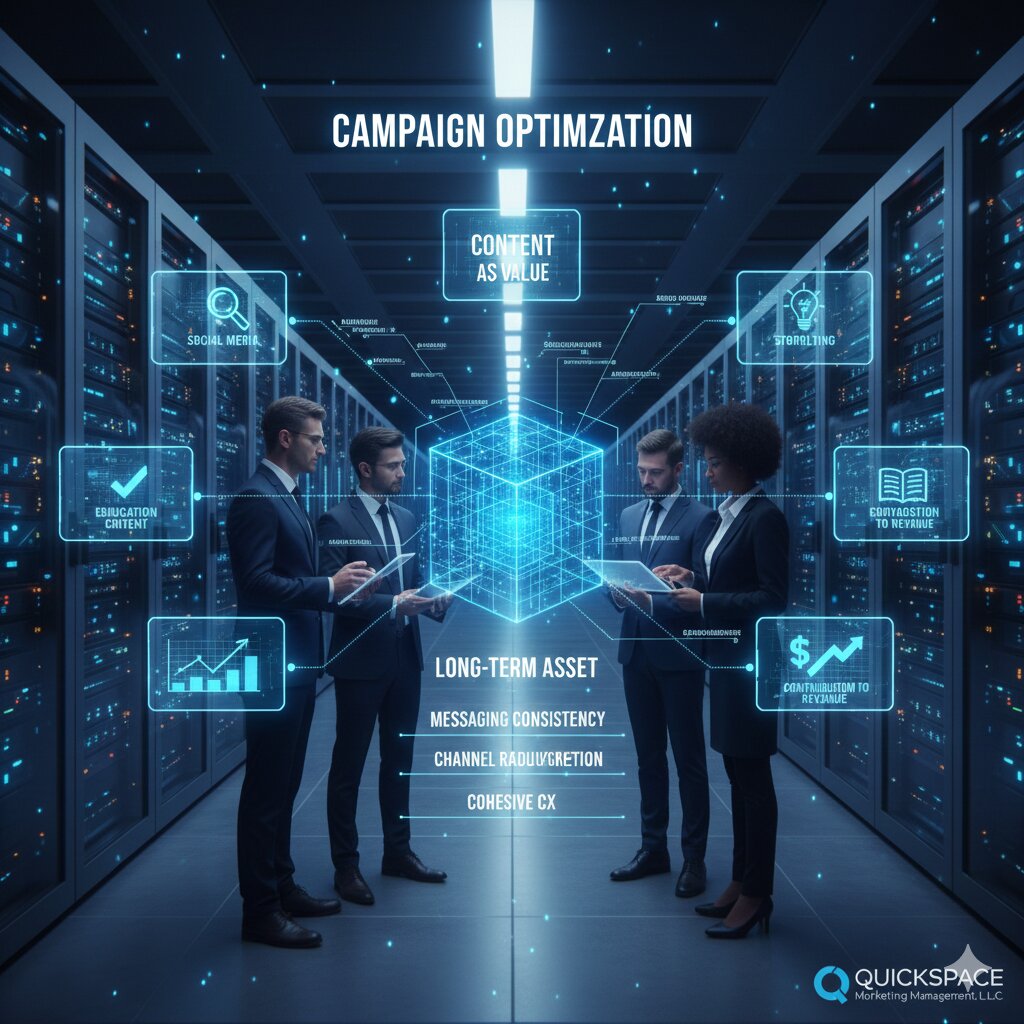
This article explores what actually makes a digital campaign effective beyond paid advertising—and why brands must rethink how campaigns are planned and executed.
Ads Alone No Longer Define Campaign Success
The Decline of Ad-Only Thinking
Advertising remains an important component of digital campaigns, but relying solely on ads is one of the most common limitations in modern marketing. Audiences are exposed to thousands of ads daily, leading to fatigue, lower engagement, and declining trust.
Effective digital campaigns go beyond exposure. They focus on delivering value, relevance, and consistency throughout the customer journey.
Campaigns as Systems, Not Placements
Rather than treating campaigns as isolated ad placements, leading brands design campaigns as systems. These systems combine messaging, content, data, and channels to guide audiences toward meaningful action.

Clear Objectives Are the Foundation of Effective Digital Campaigns
Aligning Campaign Goals with Business Outcomes
One of the defining characteristics of effective digital campaigns is clarity of purpose. Campaigns must support specific business objectives such as:
- Brand awareness and positioning
- Lead generation and qualification
- Customer retention and loyalty
Without clear goals, performance metrics become misleading and optimization loses direction.

Defining Success Before Execution
Successful campaigns define success before launch. This includes identifying key performance indicators (KPIs) that reflect real impact rather than surface-level engagement.
Audience Understanding Drives Campaign Effectiveness
Beyond Demographics and Reach
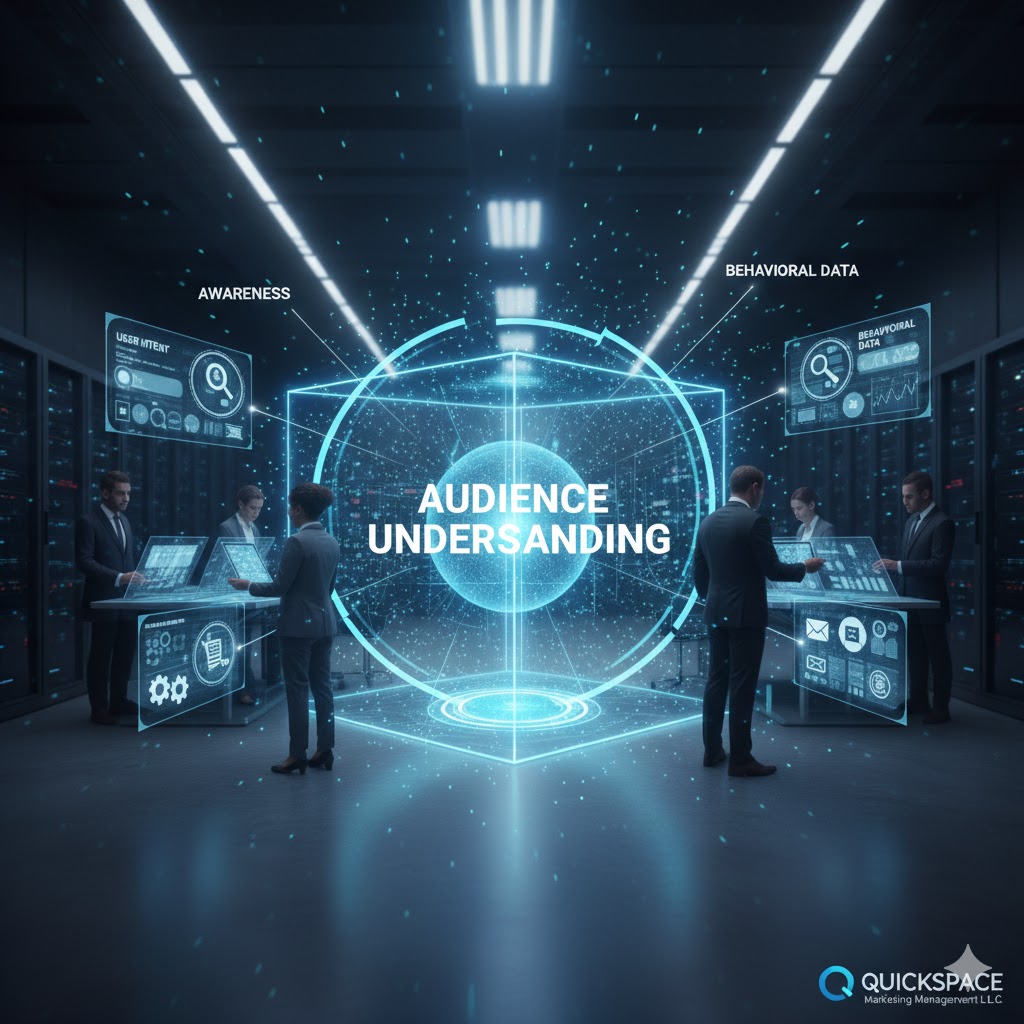
Another factor that separates effective digital campaigns from ineffective ones is deep audience understanding. Modern campaigns are built around:
- User intent
- Behavioral data
- Stage in the customer journey
This approach allows messaging to feel relevant rather than intrusive.
Personalization That Adds Value
Personalization works best when it enhances the user experience. Effective campaigns deliver the right message at the right moment without overwhelming or alienating the audience.
Integration Across Channels Is Essential
Campaign Consistency Across Touchpoints
One of the most overlooked aspects of effective digital campaigns is integration. Campaigns that operate in silos—separating ads, content, social media, and email—often feel disjointed.
Integration ensures that:
- Messaging remains consistent
- Channels reinforce each other
- The customer experience feels cohesive
Owned Media and Content Play a Critical Role
Paid media may drive traffic, but owned channels such as websites, landing pages, and content assets are where conversion and trust are built. Campaign effectiveness depends heavily on the quality of these destinations.
Content Is a Core Driver of Campaign Performance
Moving from Promotion to Value Creation
Audiences engage more with campaigns that offer value rather than constant promotion. Effective digital campaigns often include:
- Educational content
- Thought leadership
- Storytelling aligned with brand purpose
Content extends the lifespan of campaigns and builds credibility beyond paid exposure.
Supporting Ads with Strong Content Experiences
Ads should act as entry points, not endpoints. Once users click, content experiences must deliver on the promise made in the ad.
Data and Optimization Beyond Click Metrics
Measuring What Actually Matters
Clicks and impressions provide limited insight, reinforcing why measuring digital performance is no longer optional for brands that want to understand real campaign impact. Effective digital campaigns track metrics that reflect quality and impact, such as:
- Conversion quality
- Engagement depth
- Contribution to revenue
This shift allows for smarter optimization and better budget allocation.
Continuous Optimization During Campaigns
Campaign effectiveness improves when performance data is used actively during execution. Adjusting creative, messaging, and targeting in real time ensures relevance remains high throughout the campaign lifecycle.
Organizational Alignment and Execution Matter
Collaboration Across Teams
Campaigns fail when teams operate in isolation. Marketing, content, data, and leadership must align around shared objectives and timelines.
Process and Governance Support Effectiveness
Clear ownership, workflows, and decision-making structures ensure campaigns remain focused and adaptable.
Agencies like Quickspace Marketing Management L.L.C often help brands strengthen these foundations to improve campaign execution and consistency.
Common Reasons Digital Campaigns Underperform
- Over-reliance on ads without supporting content
- Weak landing pages and post-click experiences
- Inconsistent messaging across channels
- Measuring the wrong success indicators
Recognizing these gaps is the first step toward building more effective digital campaigns.
How Brands Can Build More Effective Digital Campaigns
Start with Strategy, Not Media Spend
Campaign planning should begin with strategy and audience insight before allocating budgets.
Design Campaigns as Integrated Journeys
Effective digital campaigns guide users through awareness, consideration, and conversion using coordinated touchpoints.
Balance Creativity, Data, and Execution
Campaign success depends on combining strong creative ideas with disciplined execution and continuous optimization.
Effective Digital Campaigns as a Strategic Advantage
In a digital world where attention is scarce, campaigns that rely on ads alone struggle to create lasting impact. Truly effective digital campaigns are built on strategy, audience understanding, integrated channels, and meaningful content.
Brands that embrace this holistic approach—often with guidance from experienced partners like Quickspace Marketing Management L.L.C—are better positioned to drive sustainable performance, stronger engagement, and long-term growth. Beyond ads, effectiveness comes from designing campaigns that create value at every stage of the customer journey.