Quickspace Marketing Management L.L.C works closely with growing brands and consistently sees the same pattern: companies invest in digital channels, tools, and campaigns, yet struggle to achieve sustainable growth. The issue is rarely effort—it is the absence of a clear digital strategy for brands that aligns digital activity with long-term business objectives.
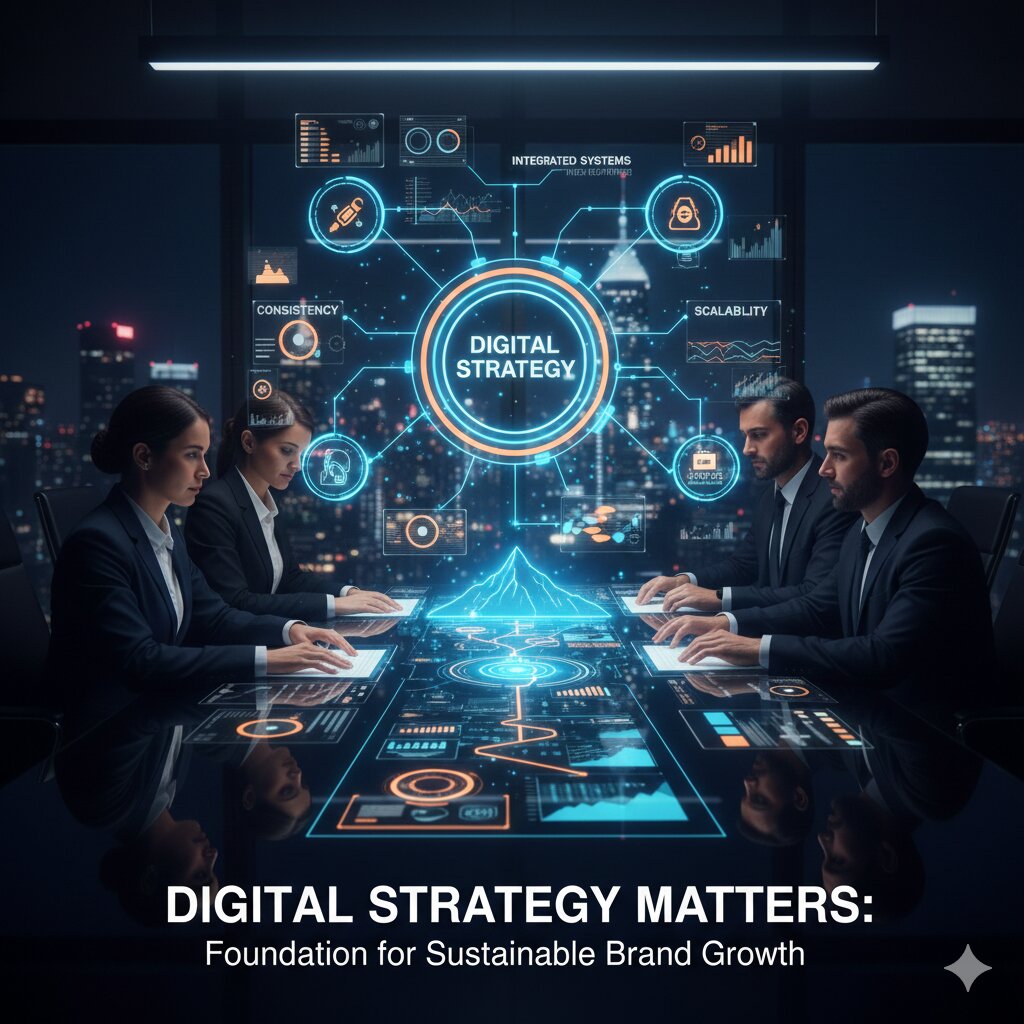
In today’s crowded and fast-moving digital environment, having a digital strategy is no longer optional. For growing brands, it is the foundation that enables consistency, scalability, and competitive advantage.
The Digital Landscape Has Changed for Growing Brands
Growth Brings Complexity, Not Just Opportunity
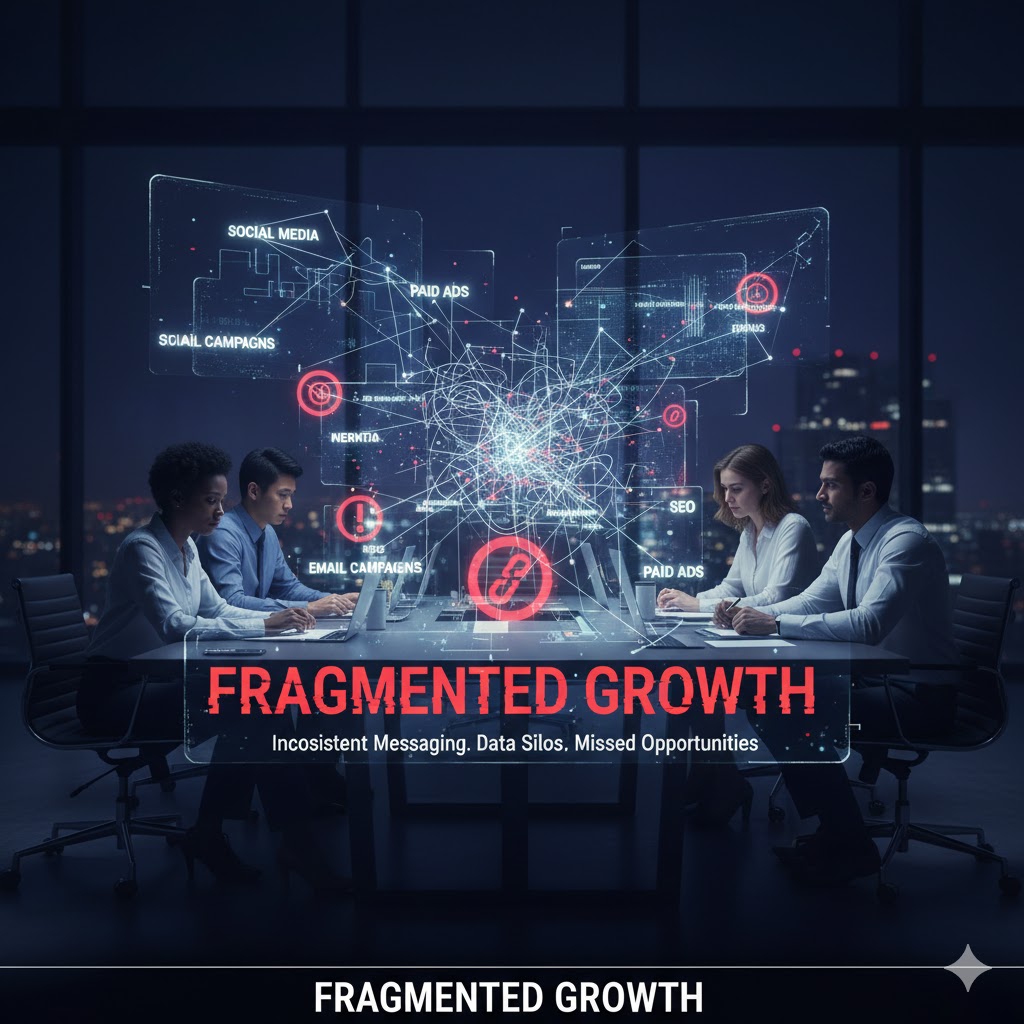
As brands grow, their digital footprint expands rapidly. New platforms, customer segments, markets, and technologies are added—often without a unifying framework. Without a defined digital strategy for brands, this growth leads to fragmentation rather than momentum.
Common symptoms include:
- Inconsistent messaging across channels
- Disconnected digital tools and data
- Conflicting priorities between teams
A digital strategy provides structure, direction, and focus as complexity increases.
Customers Expect Seamless Digital Experiences
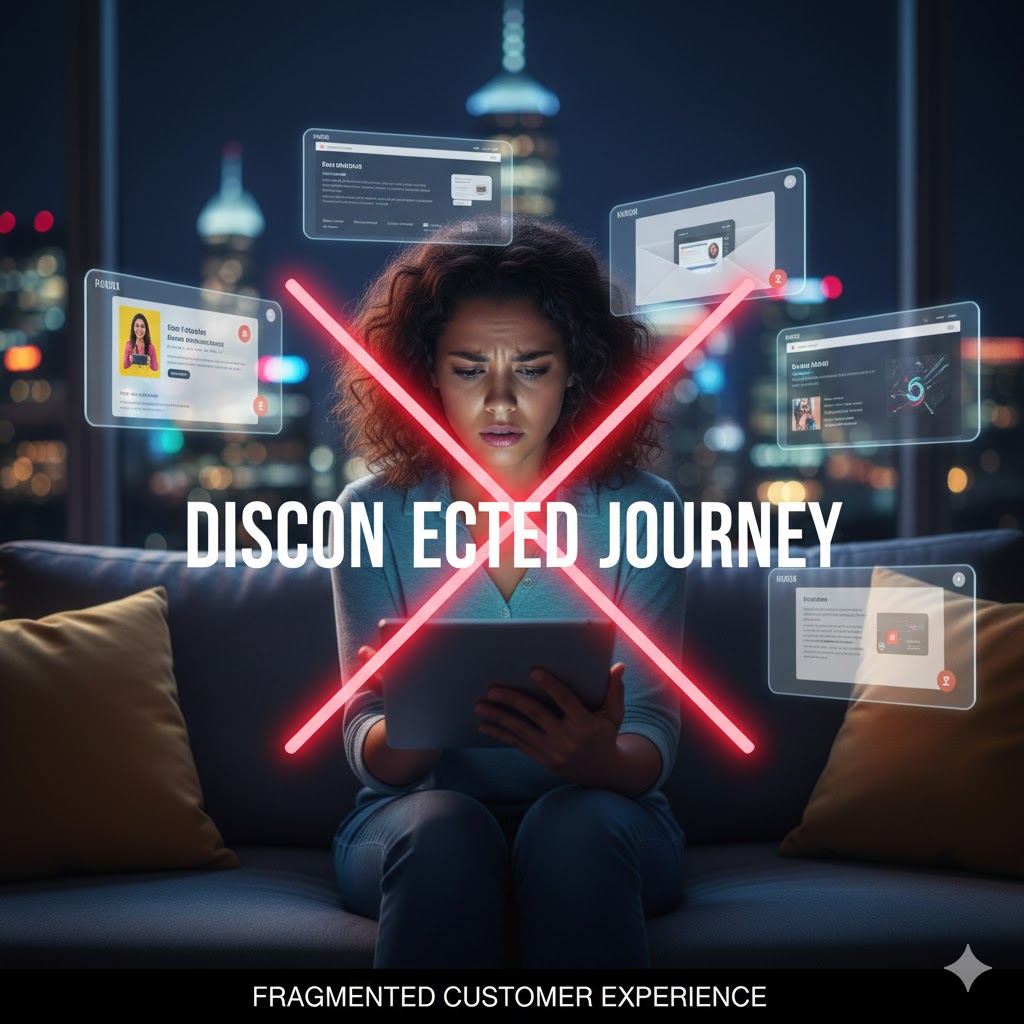
Modern consumers interact with brands across search, social media, websites, email, and mobile platforms. They expect continuity and relevance at every touchpoint.
Brands without a unified digital strategy struggle to meet these expectations, resulting in lost trust, lower engagement, and weaker brand perception.
This challenge reflects how digital marketing strategies are changing in a multi-channel world.
What a Digital Strategy Really Means for Brands
Beyond Campaigns and Tactics
One of the most common misunderstandings is treating digital strategy as a collection of marketing activities. Running ads, publishing content, or posting on social media does not equal strategy.
A true digital strategy for brands defines:
- Clear business and growth objectives
- Target audiences and brand positioning
- The role of each digital channel
- How performance is measured and optimized
Strategy connects digital execution directly to business outcomes.

Aligning Digital Efforts with Brand Vision
Digital strategy ensures that every digital initiative supports the brand’s long-term vision. Instead of reacting to trends or competitors, brands act intentionally and consistently.
This long-term mindset aligns with what a modern digital marketing strategy looks like in 2026.
Why Digital Strategy Is Critical for Growing Brands Today
Efficient Use of Resources
Growing brands often operate with limited budgets and teams. Without strategic direction, resources are spread across too many platforms with minimal impact.
A strong digital strategy for brands helps prioritize:
- High-impact channels
- Scalable initiatives
- Activities that deliver long-term value
This focus improves efficiency and return on investment.
Brand Consistency at Scale
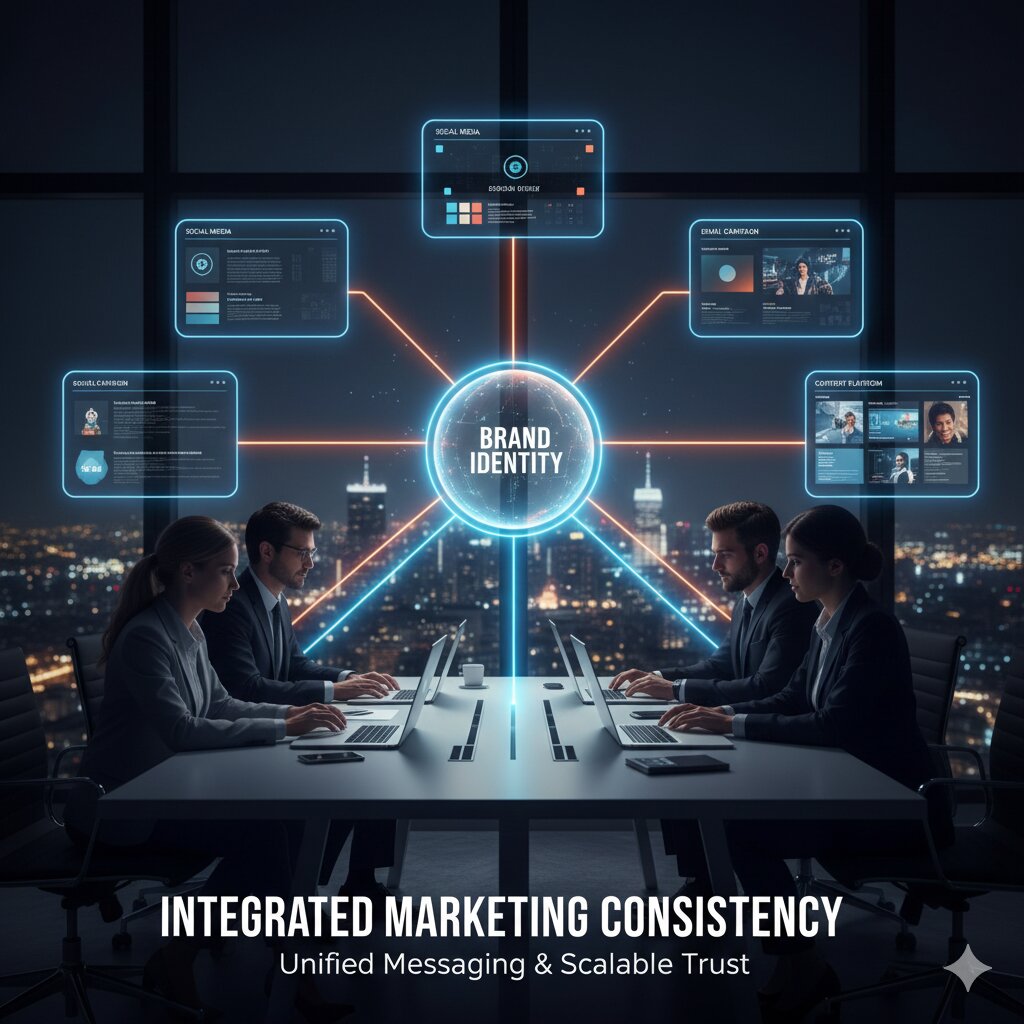
As brands expand, maintaining a consistent identity becomes more difficult. A digital strategy acts as a framework that guides messaging, tone, and experience across all channels.
Consistency strengthens brand recognition, trust, and credibility—key drivers of sustainable growth.
Digital Strategy as a Growth Enabler
Data-Driven Decision Making
Growing brands generate increasing amounts of data, but data alone does not create insight. Without strategy, analytics becomes overwhelming and underutilized.
A digital strategy defines:
- Which metrics truly matter
- How data informs decisions
- How performance aligns with business goals
This turns data into a strategic asset rather than a reporting burden.
Scaling Without Losing Control
Growth without strategy often results in operational chaos. Campaigns, systems, and content become harder to manage as volume increases.
A well-defined digital strategy for brands ensures scalability through clear processes, integrated systems, and governance.

The Risks of Operating Without a Digital Strategy
Reactive and Inconsistent Execution
Brands without a digital strategy tend to operate reactively—responding to trends, algorithm changes, or competitor actions. This leads to short-term wins but long-term instability.
These issues often stem from common digital strategy mistakes brands still make today.
Weak Long-Term Performance
Without strategy, brands may see temporary results but struggle to build equity, loyalty, and sustainable growth over time.
Higher Cost of Correction
Fixing misaligned digital systems later is far more expensive than designing them strategically from the start. Delaying strategy increases future costs and slows momentum.
Core Elements of an Effective Digital Strategy for Brands
Clear Business Objectives
Strategy begins with clarity. Brands must define what growth means—whether it is market expansion, customer acquisition, retention, or brand authority.
Customer-Centric Design
Successful digital strategies are built around customer behavior, needs, and journeys—not internal assumptions.
Integrated Channel Approach
Channels should work together as a system. Integration improves consistency, insight, and overall performance.
Measurement and Optimization Framework
A digital strategy defines how success is measured and how continuous improvement is achieved.
How Growing Brands Can Build the Right Digital Strategy
Start with Strategic Assessment
Brands should assess their current digital maturity, gaps, and opportunities before investing further.
Think Long-Term, Not Campaign-by-Campaign
Digital strategy should guide decisions over years, not just individual campaigns. This long-term view is essential for sustainable growth.
Work with Strategy-Focused Partners
Experienced partners help brands avoid common pitfalls and design digital strategies aligned with real business goals. Agencies such as Quickspace Marketing Management L.L.C support growing brands by translating business vision into practical, scalable digital strategies.
Digital Strategy for Brands as a Competitive Advantage
In today’s digital-first economy, growth is driven by clarity, alignment, and execution—not by activity alone. A well-defined digital strategy for brands provides the roadmap that connects vision, digital execution, and long-term success.
Growing brands that invest early in digital strategy are better equipped to scale, adapt, and compete in an increasingly complex digital landscape. By aligning technology, data, and channels around clear objectives—and by partnering with experts like Quickspace Marketing Management L.L.C—brands can transform digital complexity into a sustainable competitive advantage.