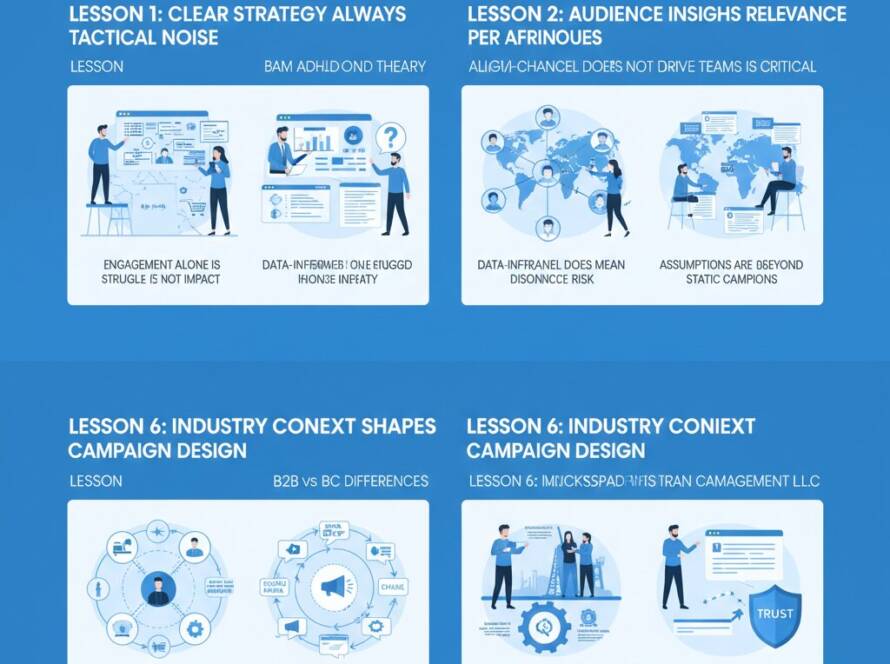
In today’s competitive digital landscape, brands can no longer rely on spontaneous ideas or isolated tactics to drive results. Quickspace Marketing Management L.L.C works closely with growing brands and consistently sees one clear shift: successful marketing outcomes now depend on structured, insight-driven digital campaign planning, not just creative execution.

Modern digital campaigns are no longer built around a single channel or message. Instead, brands focus on designing effective digital campaigns beyond just ads that guide audiences across multiple touchpoints. Instead, they are carefully planned ecosystems designed to move audiences from awareness to action—and ultimately to long-term loyalty.
This article explores how brands approach digital campaign planning today, from initial idea to measurable business impact.
Why Digital Campaign Planning Has Changed
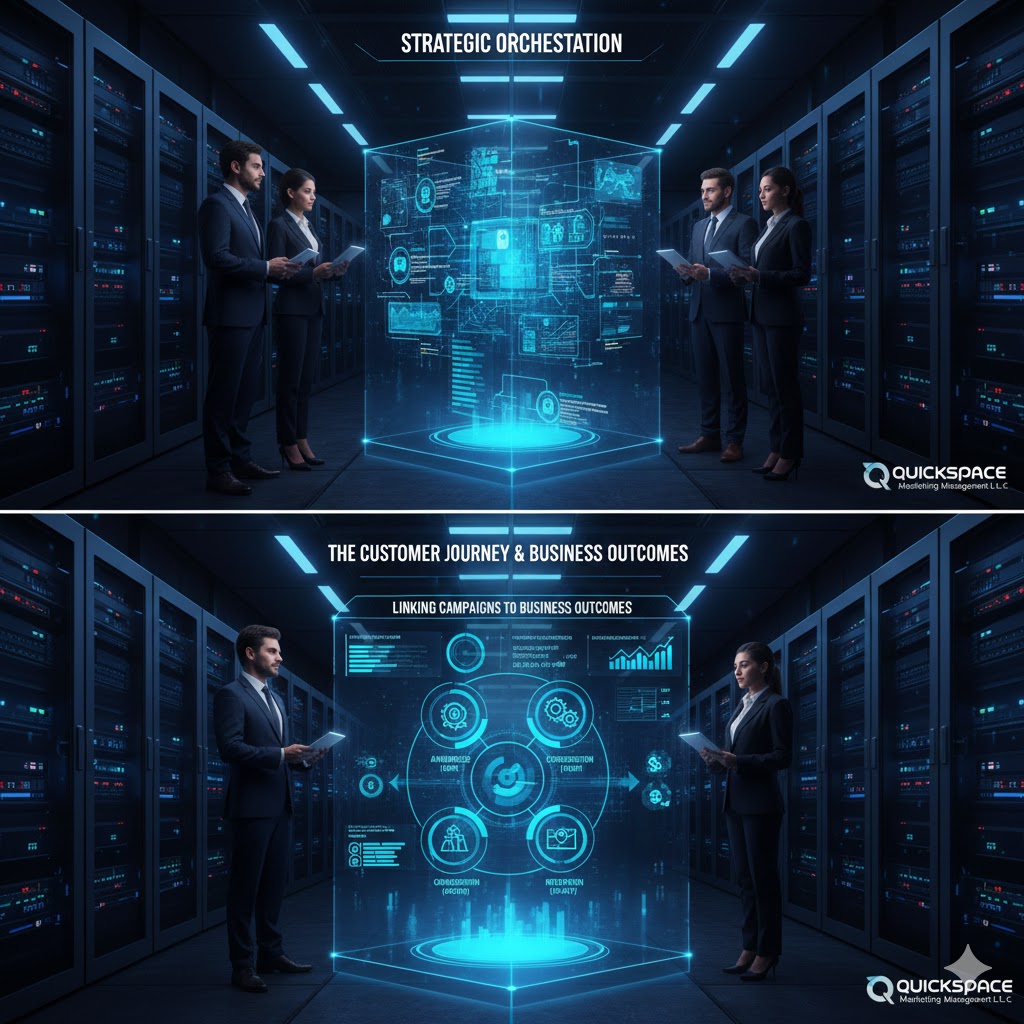
From Tactical Execution to Strategic Orchestration
In the past, digital campaigns were often treated as short-term promotional activities—launch an ad, push a message, and measure clicks. Today, brands recognize that fragmented efforts rarely deliver sustainable results.
Digital campaign planning has evolved into a strategic discipline that connects:
- Business objectives
- Audience insights
- Content strategy
- Channel coordination
- Performance measurement
Without this alignment, even well-funded campaigns struggle to deliver real impact.
Rising Complexity Across Digital Channels
Modern brands operate across paid, owned, and earned media—search, social, content, email, influencer marketing, and more. Each channel plays a different role in the customer journey.
Effective digital campaign planning ensures that these channels work together, not in silos.
Step 1: Turning Ideas Into Strategic Campaign Concepts
Starting With Business Objectives
Strong campaigns don’t begin with visuals or slogans—they begin with clarity. Brands must define what success looks like before planning tactics.
Common objectives include:
- Increasing qualified leads
- Driving online sales
- Improving brand awareness
- Supporting product launches
Every element of digital campaign planning should map back to these goals.
Audience-Centric Thinking
Today’s brands invest heavily in understanding their audience before execution. Data from CRM systems, analytics platforms, and customer research informs:
- Messaging tone
- Channel selection
- Content formats
This shift from assumption-based marketing to insight-driven planning is a key factor behind high-performing campaigns.

Step 2: Designing the Campaign Architecture
Mapping the Customer Journey
Modern digital campaign planning focuses on the full customer journey—not just the conversion moment.
Campaigns are structured around:
- Awareness (reach and discovery)
- Consideration (education and trust-building)
- Conversion (action and decision)
- Retention (engagement and loyalty)
Each stage requires different messages, content, and channels.
Channel Integration and Role Definition
Not all channels serve the same purpose. For example:
- Paid media drives reach and acceleration
- Content builds authority and trust
- Social media fosters engagement
- Email supports nurturing and retention
Brands that plan campaigns with clear channel roles see stronger consistency and performance—a principle emphasized by Quickspace Marketing Management L.L.C when structuring multi-channel campaigns.

Step 3: Content and Creative Planning
From Assets to Systems
Rather than producing one-off creatives, brands now build content systems. A single campaign idea may generate:
- Short-form videos
- Long-form articles
- Social snippets
- Landing pages
- Email sequences
This approach improves efficiency and message consistency across touchpoints.
Aligning Creativity With Strategy
Creativity remains essential—but it must serve the strategy. The most effective campaigns balance:
- Emotional storytelling
- Clear value propositions
- Consistent brand voice
Digital campaign planning ensures creative assets are not just attractive, but purposeful.

Step 4: Execution, Optimization, and Agility
Coordinated Launch and Real-Time Monitoring
Once live, campaigns require active management. Brands monitor performance across channels to identify:
- High-performing messages
- Weak conversion points
- Opportunities for optimization
Modern digital campaign planning embraces agility—adjusting creative, budgets, and targeting based on real-time data.
Performance-Driven Optimization
Data now plays a central role throughout the campaign lifecycle. Metrics such as engagement rates, conversion paths, and cost efficiency guide continuous improvement.
This data-driven execution model transforms campaigns from static launches into dynamic growth engines.
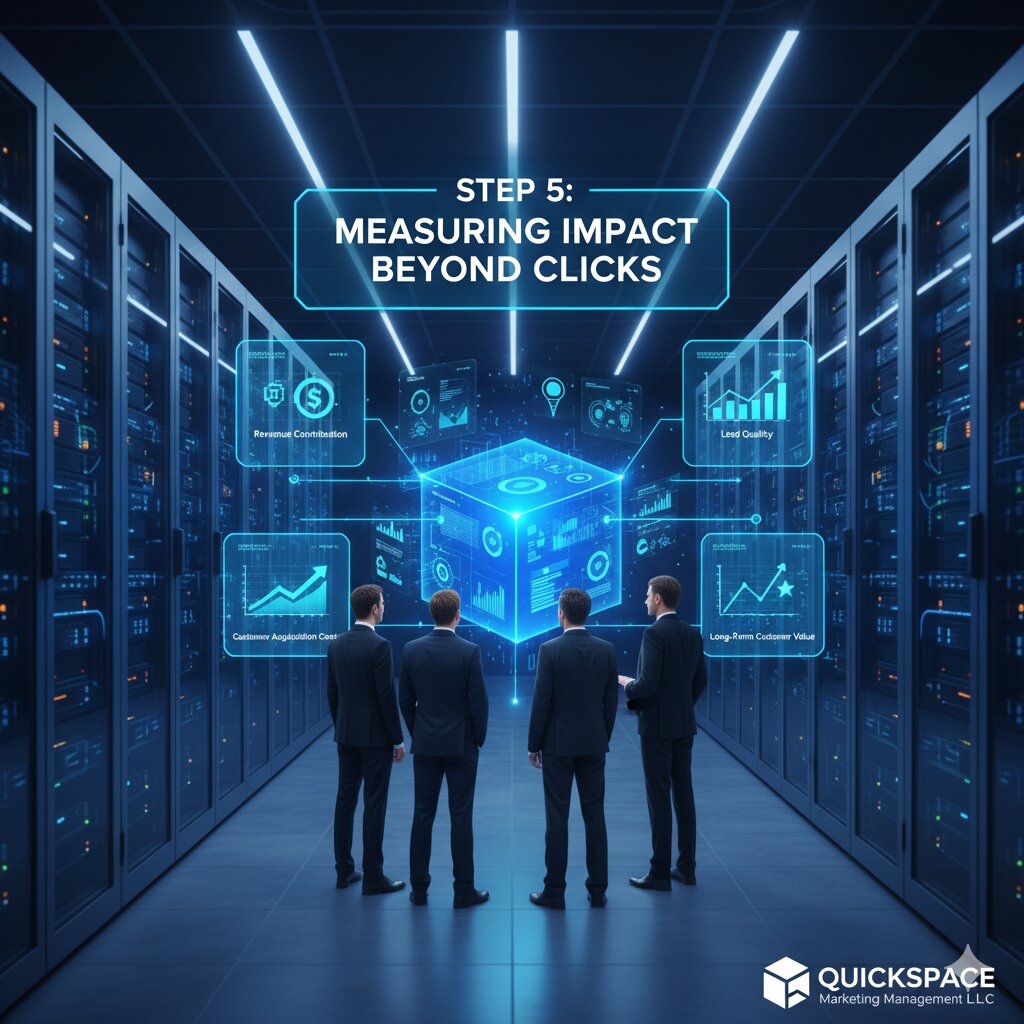
Step 5: Measuring Impact Beyond Clicks
This is why understanding which digital performance metrics actually matter is essential for linking campaign activity to real business outcomes.
Linking Campaigns to Business Outcomes
Effective digital campaign planning goes beyond vanity metrics. Brands increasingly measure:
- Revenue contribution
- Lead quality
- Customer acquisition cost
- Long-term customer value
These insights help leadership evaluate ROI and inform future strategy.
Learning Loops for Future Campaigns
Every campaign becomes a learning opportunity. Insights gathered are fed back into planning processes, improving future performance and reducing risk.
Common Digital Campaign Planning Mistakes to Avoid
- Launching campaigns without clear objectives
- Treating channels independently
- Over-prioritizing tactics over strategy
- Failing to plan measurement frameworks upfront
Avoiding these pitfalls is often the difference between short-term activity and long-term impact.
How Brands Build Campaigns That Drive Real Impact
Successful brands approach digital campaign planning as a structured, strategic process—not a creative afterthought. They invest in:
- Clear planning frameworks
- Cross-functional collaboration
- Data-driven decision-making
Organizations that partner with experienced agencies like Quickspace Marketing Management L.L.C benefit from campaign planning models that align creativity, technology, and business strategy.
From Idea to Impact: Planning Is the Difference
In today’s crowded digital environment, execution alone is not enough. The brands that stand out are those that plan with intention, integrate channels intelligently, and measure what truly matters.
Digital campaign planning transforms ideas into coordinated experiences—and experiences into measurable business impact. For brands seeking sustainable growth, planning is no longer optional. It is the foundation of effective digital marketing.